Pizza Vending Machine Solutions for Europe
Our pizza vending machine solutions are designed for buyers across Europe — from first-time owners purchasing one unit to operators planning multi-location deployments. Whether you prefer fresh pizza vending machines or frozen systems, this page helps you select the right technology, business model, and launch approach.
Automated food retail continues to expand across Europe as consumers demand convenient hot meals outside traditional restaurant hours. According to the European Vending & Coffee Service Association , self-service food solutions are one of the fastest-growing segments in unattended retail.
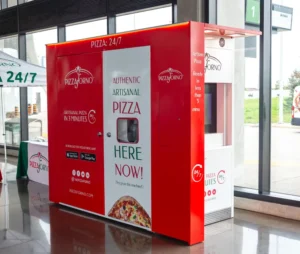
Choose the Right Pizza Vending Machine Format
The most important decision is whether to operate fresh or frozen pizza vending machines. Your location type, staffing plan, and service expectations determine which format delivers the best results.
Fresh Pizza Vending Machines
Deliver restaurant-style results and premium positioning in high-traffic areas.
Explore Fresh MachinesFrozen Pizza Vending Machines
Offer simplified logistics, predictable handling, and reliable 24/7 operation.
Explore Frozen MachinesNeed Expert Guidance?
We recommend a configuration based on your country, site conditions, and demand profile.
Book a ConsultationPizza Vending Machine Solutions & Launch Guides
These resources help buyers move from research to deployment, covering site selection, operational planning, and revenue optimization.
Start a Pizza Vending Business
Step-by-step planning for your first machine.
24/7 Pizza Vending
Generate revenue outside restaurant hours.
Automated Food Retail
Overview of unattended food service concepts.
Passive Income Vending
Understand real operational requirements.
How to Launch a Pizza Vending Machine in Europe
Successful deployments begin with location selection, technical planning, and compliance checks. Public transport hubs, campuses, healthcare facilities, and shopping centers are among the strongest performers.
The European Commission highlights the importance of food safety compliance for automated food service through its official guidance on EU food hygiene rules , which apply to vending operations as well.
Support & Service for Long-Term Operation
Reliable performance depends on proper installation, operator training, and ongoing maintenance. Our support programs are designed to maximize uptime and protect your investment.
Frequently Asked Questions
Can I buy just one pizza vending machine?
Yes. Many buyers start with a single machine to test demand before expanding to additional locations.
Do these machines operate 24/7?
Yes. Continuous operation is one of the primary advantages of pizza vending compared to traditional food service.