Entrepreneur guide · One machine or multi-site business · Europe
How to Start a Pizza Vending Machine Business in Europe
Build the business in the correct order: validate a location, choose Fresh or Frozen, select capacity, calculate the full project cost, secure your food supply and local operating responsibilities, then install and launch. Vendo Pizza supports one-unit enquiries and larger commercial rollouts without promising a fixed sales or payback result.
What is the right first step when starting a pizza vending business?
Validate a realistic location before committing to the final machine configuration. The machine should be selected around the site—not the other way around. Confirm who the customers are, when they need food, nearby alternatives, site access, rent or commission, utilities, security and replenishment logistics. Once the location is credible, compare Fresh and Frozen workflows, choose capacity and obtain a quotation based on the actual site.
Build in the correct order
12 Steps to Start a Pizza Vending Machine Business
The roadmap below separates decisions that should be made before ordering from decisions that can only be finalised after the exact machine and site are known.
Define the target customer
Choose who the machine is intended to serve: commuters, shift workers, students, hospital staff, travellers, hotel guests, motorists or another identifiable audience.
Validate a location
Study actual customer flow, after-hours demand, nearby food, rent/commission, visibility, security, utilities and replenishment access before selecting the final machine.
Choose Fresh or Frozen
Select the food workflow that matches your production capability, storage, cleaning routine, recipe needs, staff time and planned number of sites.
Select capacity and installation
Choose 60–130 pizzas according to expected demand, space, restocking frequency and whether the location is indoor or outdoor.
Build the full startup budget
Include machine, payment equipment, freight, site works, installation, food production, first stock, registrations, insurance, maintenance reserve and working capital.
Secure the food supply model
Decide whether pizzas come from your own kitchen, a pizzeria, central production site or approved prepared-pizza supplier, and verify compatibility with the chosen machine.
Confirm food-business duties
Identify the local business registrations, food hygiene, traceability, allergen, storage and consumer-information requirements for the country and workflow.
Configure payments and connectivity
Set up the merchant account, terminal, accepted payment schemes, connectivity, refunds and any remote monitoring required for the site.
Prepare the location
Complete approved electrical, ventilation, access, floor, weather, connectivity, drainage or security work according to the exact technical sheet.
Test before public launch
Test loading, temperature control, payments, cooking/dispensing, customer instructions, refunds, alarms, cleaning and fault response.
Launch and measure
Track transactions, product mix, stockouts, waste, payment failures, refunds, downtime and replenishment time instead of relying on assumptions.
Scale only after learning
Use operating data from the first location to improve the menu, route, capacity and support process before repeating the model at additional sites.
Do not buy ten machines because a spreadsheet says the concept will work.
Multi-site purchasing can make sense when locations and operations are already proven. For a new operator without proven sites, one well-planned pilot usually produces more useful information than a large speculative rollout. No sales or payback result is guaranteed.
Interactive decision support
Pizza Vending Startup Planner
Use your current project status to identify the next useful action. This is not a financial forecast or regulatory approval.
Where are you in the startup process?
Validate a location first
Define the target customer and shortlist locations before locking in the final machine capacity or outdoor package.
Choose the operating model
Fresh or Frozen: Which Pizza Vending Business Model Fits You?
Do not choose based on marketing language alone. Fresh and Frozen systems create different supply, cleaning, staffing, pricing and scaling requirements.
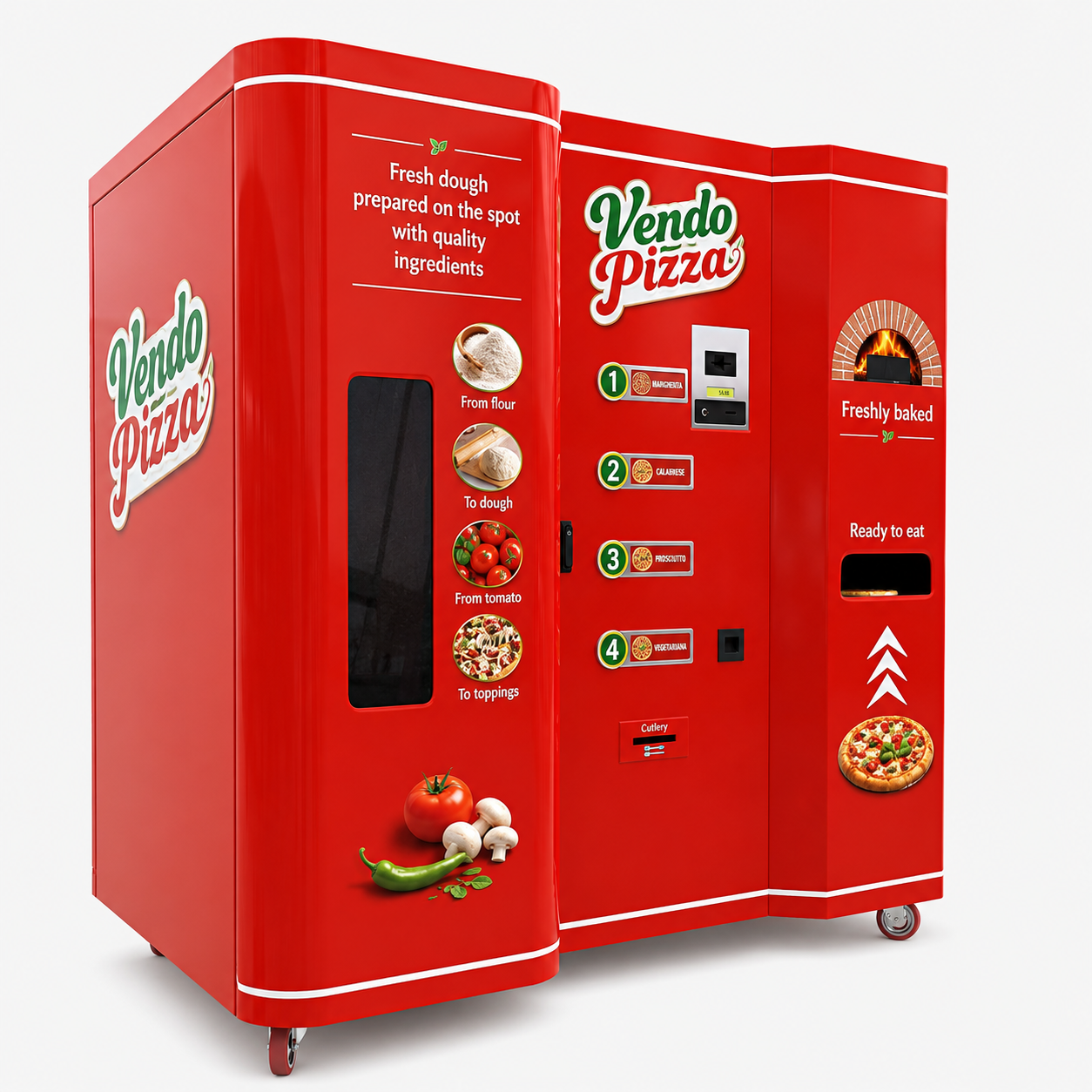
Greater Recipe Control, More Operating Involvement
Fresh or refrigerated fresh-bake configurations can fit pizzerias, food operators and entrepreneurs with suitable production capability who want more control over recipes and the customer experience.
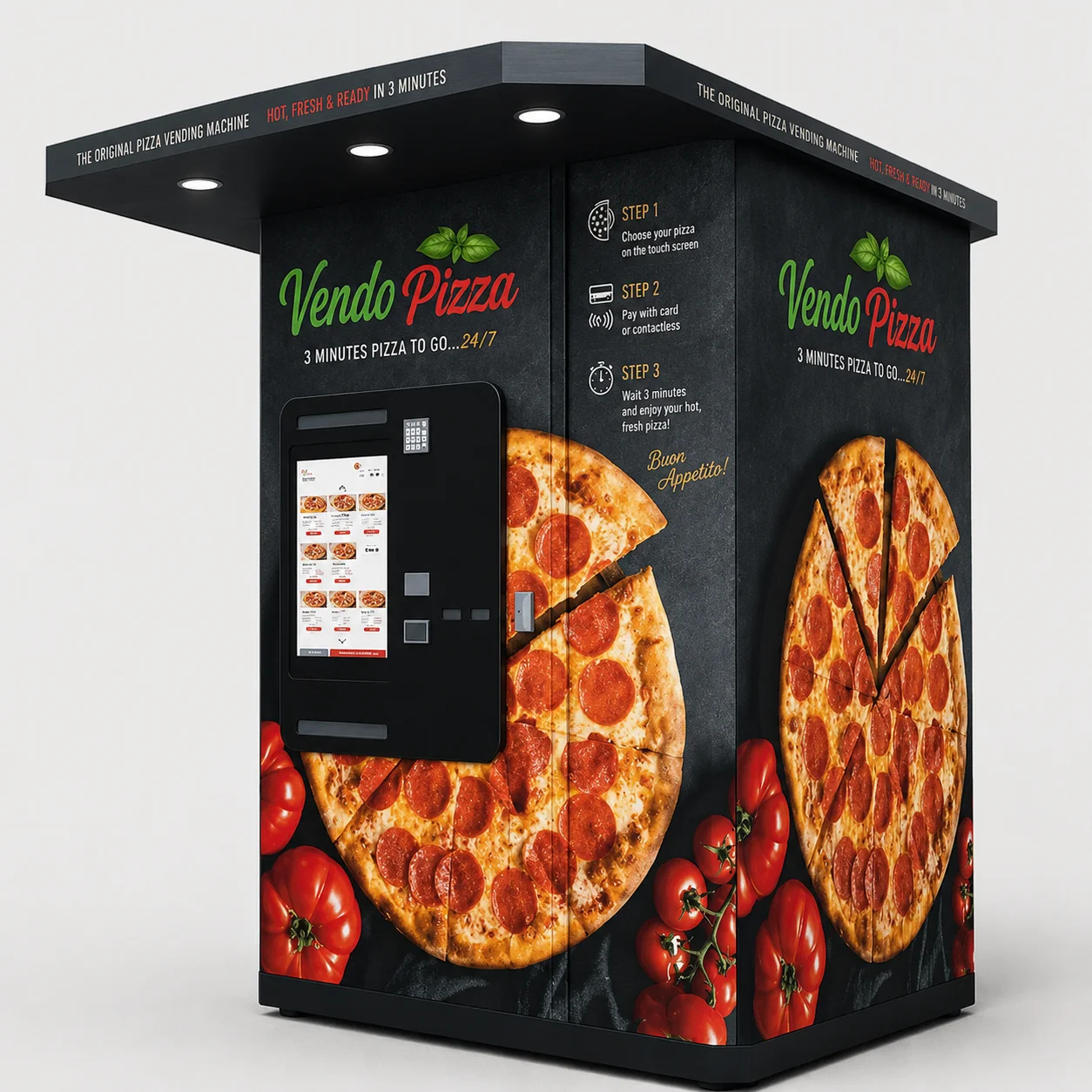
Simpler Prepared-Pizza Workflow
Frozen stock-and-bake machines can suit first-time operators and multi-site businesses that want prepared-pizza inventory, simpler replenishment and a lower machine entry price.
| Model | Capacity | Indoor starting price | Outdoor starting price |
|---|---|---|---|
| Fresh 60 | Up to 60 pizzas | €16,000 | €18,000 |
| Fresh 80 | Up to 80 pizzas | €18,000 | €20,000 |
| Fresh 100 | Up to 100 pizzas | €20,500 | €22,500 |
| Fresh 120 | Up to 120 pizzas | €23,000 | €25,000 |
| Fresh 130 | Up to 130 pizzas | €24,500 | €26,500 |
| Frozen 60 | Up to 60 pizzas | €7,500 | Site-specific quote |
| Frozen 80 | Up to 80 pizzas | €9,000 | Site-specific quote |
| Frozen 100 | Up to 100 pizzas | €10,500 | Site-specific quote |
| Frozen 120 | Up to 120 pizzas | €12,500 | Site-specific quote |
These are base-machine starting prices, not total startup budgets. Final price depends on the exact machine identity, cabinet, oven, payment hardware, connectivity, branding, quantity, outdoor protection, freight destination and installation scope.
The location is a business decision, not a footfall number
Secure the Right Location Before You Finalise the Machine
A high-traffic site can still be weak if customers have better food nearby, cannot stop comfortably, or if rent and operating logistics are poor. Validate demand and operating fit before signing a long machine commitment.
Demand
Who needs hot food here, at what times, and how often? Observe real behaviour rather than estimating from total building population or vehicle traffic alone.
Competition
Map restaurants, delivery services, cafeterias, convenience stores and other hot-food options—especially during the exact hours you want the machine to serve.
Site economics
Understand rent, revenue share, electricity, insurance, service access and contract length before projecting profitability.
Petrol Stations
Forecourt and convenience-retail planning, including outdoor and hazardous-area considerations.
Explore petrol stations → WorkplacesOffice Buildings
Employee, tenant and after-hours workplace food-service planning.
Explore offices → Shift workFactories & Industrial Sites
Multiple shifts, controlled access and limited late-hour food alternatives.
Explore factories → EducationUniversities & Colleges
Residential campuses, extended schedules and concentrated student demand.
Explore universities → TransportTrain & Metro Stations
Traveller demand, concessions, public access and station operating requirements.
Explore rail locations → All sectorsBrowse Industry Locations
Compare commercial use cases before choosing the site type that fits your operating plan.
View industries →Budget the full business, not only the machine
What Does It Cost to Start a Pizza Vending Machine Business?
There is no universal startup total. The machine is one line item. Your actual project budget depends on the location, country, payment system, food supply, site readiness and whether the machine is indoor or outdoor.
Machine & commercial equipment
Base machine, payment terminal, connectivity, screen/software options, branding, outdoor package and optional equipment.
Freight & installation
Export packaging, transport, unloading, site access, electrical work, ventilation, foundations/base work and commissioning where applicable.
Business launch costs
Food-production setup, initial inventory, packaging, business registration, insurance, marketing, cleaning supplies and working capital.
Keep the Cost page and Profit page separate in your decision.
The Cost Guide explains what you may need to pay for. The Profit & ROI Calculator models revenue, operating costs, break-even and payback using your own assumptions. A low machine price does not guarantee a profitable location, and a busy location does not automatically justify a high site fee.
The machine needs a repeatable food system
Decide Who Will Make the Pizzas Before You Launch
A vending business is also a food-supply business. The food workflow affects product consistency, labour, storage, transport, hygiene, allergens, shelf life, machine compatibility and how far you can scale.
Your own kitchen or pizzeria
Useful when you already control recipes and production. Confirm that pizza diameter, weight, thickness, packaging, storage and cooking programme work with the selected machine.
Local production partner
A pizzeria, bakery or food lab may produce to your specification. Use written product standards and traceability rather than relying on informal consistency.
Prepared frozen supplier
A prepared-pizza supplier can simplify inventory and route planning for Frozen machines. Test the actual pizza and packaging before building a long-term supply contract around it.
Machine capacity does not replace product compatibility testing.
A machine described as “60 pizzas” or “120 pizzas” still depends on the actual pizza diameter, thickness, weight and packaging. Confirm the usable capacity and cooking programme using the product you intend to sell.
Separate machine conformity from food-business compliance
Food Safety, Consumer Information and Machine Documentation
The buyer should verify two different compliance tracks: the technical documentation for the exact machine, and the local food-business requirements for producing, storing, transporting and selling the pizzas.
Food hygiene
EU food hygiene rules place primary responsibility for food safety on food-business operators. Your practical plan should cover cleaning, cold-chain control, traceability, waste, corrective action and country-specific registration.
Food information & allergens
Plan how required product information and allergens will be provided before purchase. Regulation (EU) No 1169/2011 establishes general food-information requirements across the EU, with national rules also relevant.
Machine conformity documents
Request the exact model identity, technical data, instructions and applicable EU Declaration of Conformity. CE marking applies only under the relevant EU harmonised product rules; it does not replace food or site duties.
Prepare the location to operate, not merely to receive the machine
Payments, Connectivity and Installation
The final machine order should reflect the actual electrical supply, environment, access route, payment provider, merchant account, connectivity and support plan.
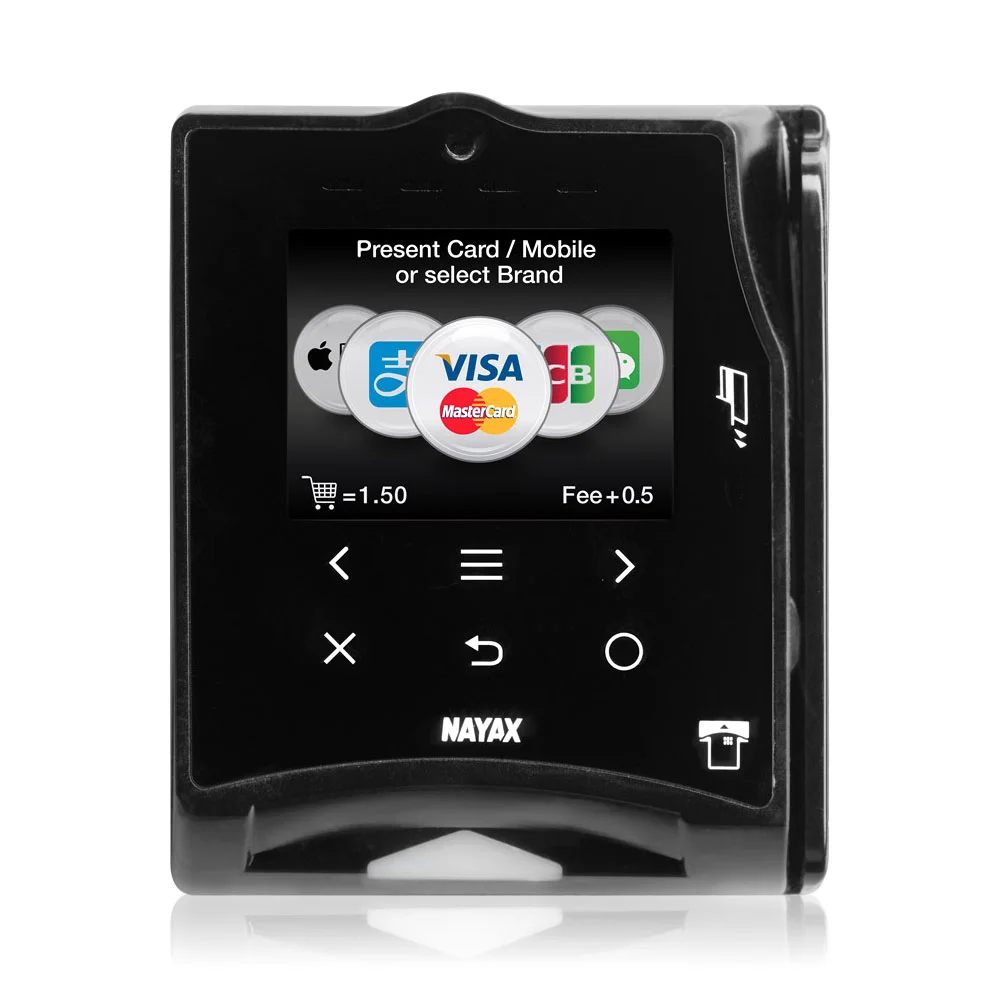
Payment setup
Confirm terminal, acquirer, merchant account, currencies, fees, refunds, mobile-wallet support and what happens if connectivity is interrupted.
Technical site setup
Confirm dimensions, delivery route, floor loading, electrical protection, ventilation, ambient conditions, weather protection and service clearance from the exact technical sheet.
Support plan
Know who receives alerts, who performs routine cleaning, how spare parts are handled and what remote or on-site support is included in your written commercial terms.
Launch with measurable operating controls
What to Test Before the First Customer Uses the Machine
A good launch is an operational acceptance test, not simply switching the machine on. Record the baseline settings and responsibilities so you know what changed if performance later deteriorates.
Food & cooking
- Correct product dimensions and packaging
- Storage temperature controls
- Cooking programme for each pizza
- Dispensing and customer handoff
Payments & customer journey
- Successful card/contactless transactions
- Refund and failed-payment procedure
- Clear menu, prices and allergens
- Customer instructions and error messages
Operations & support
- Restocking route and loading time
- Cleaning and hygiene checklist
- Fault and temperature-alert routing
- Technician and spare-parts escalation
Measure the first location before deciding what to scale
Expansion should remove uncertainty, not multiply it
When Should You Add a Second Pizza Vending Machine?
Scale after the first site demonstrates that the location, food supply, route, cleaning, payment and support processes can be repeated. The next machine should benefit from what the first machine taught you.
Stabilise the first site
Resolve recurring stock, payment, cooking, cleaning or service issues before duplicating them at another location.
Document the operating standard
Create repeatable product specs, loading routines, cleaning records, merchant setup, monitoring and escalation procedures.
Choose the next site deliberately
Prefer a location that fits your existing replenishment and service route instead of adding complexity purely for headline footfall.
Standardise where possible
Using consistent capacity, payment hardware, branding and food formats can simplify training, parts and inventory.
Recalculate economics
Use actual food cost, labour, travel, rent, payment fees and maintenance from the first site when modelling the second.
Expand only when support can follow
More machines create more replenishment, customer-service and maintenance events. Scale the operating system with the hardware.
Due diligence before you order
Startup Resources for Pizza Vending Buyers
Buyer Resources
Model comparison, costs, payments, installation, documentation, warranty and buying steps.
Open buyer resources → Checklist25 Questions Before Buying
Use a structured due-diligence list before accepting a quotation or site agreement.
Open checklist → ProtectionWarranty Coverage
Review warranty duration, exclusions, parts procedure and operator responsibilities.
Review warranty → After salesSupport & Service
Understand remote troubleshooting, escalation, maintenance and service scope before purchase.
Review support →Questions from first-time buyers
Starting a Pizza Vending Business: Frequently Asked Questions
These are planning answers, not promises of revenue, profit, regulatory approval or a fixed timeline.
How much does it cost to start a pizza vending machine business?
The lowest current Vendo Pizza base machine starts at €7,500 for Frozen 60 indoor. Fresh 60 starts at €16,000 indoor. Your complete startup budget may also include payment hardware, freight, installation, site work, initial stock, food production, registrations, insurance, branding, cleaning supplies and working capital. Use the Cost Guide for the full framework.
Should I find a location before buying the machine?
Usually yes. A credible location determines space, indoor/outdoor configuration, required capacity, access, utilities, security and commercial economics. Buying first can force you to accept a site that does not fit the machine or the business.
Can I start with one pizza vending machine?
Yes. One-unit enquiries are accepted. A single well-planned location can help you understand real customer demand, food logistics, cleaning, payments and maintenance before expansion.
Fresh or Frozen: which is better for a beginner?
Frozen often offers the simpler prepared-pizza workflow and lower starting machine price. Fresh can offer more recipe flexibility but normally requires a more involved production, replenishment and cleaning system. The right choice depends on your own operating capabilities, not on a universal beginner rule.
Do I need a franchise to run a pizza vending business?
Buying a vending machine does not by itself create a franchise relationship. An operator may build an independent business under an approved brand strategy, while any separate trademark licence, franchise or branded-network arrangement would require its own written agreement.
Which locations are best for a pizza vending machine?
There is no universal best location. Strong candidates often have identifiable hot-food demand, limited alternatives during key hours, safe customer access and manageable restocking/service logistics. Evaluate location quality using actual operating conditions.
Who makes the pizzas for the machine?
The operator can use its own kitchen, a production partner, pizzeria or prepared-pizza supplier depending on the machine and local food rules. The product must be tested for diameter, thickness, weight, packaging, storage and cooking compatibility.
Can one person run a pizza vending machine business?
One person may be able to operate a single simple location, but the workload depends on food production, distance to the site, restocking, cleaning, customer support, maintenance and local food requirements. Remote monitoring reduces unnecessary visits but does not eliminate operating responsibilities.
What permits or food registrations are required?
Requirements vary by country and by how pizzas are produced, stored, transported and sold. The operator should verify local business registration, food-establishment requirements, hygiene controls, allergens, traceability, consumer information and site permissions with the competent authorities.
Which payment methods should I offer?
Supported configurations can accept card, contactless and mobile payments, but exact terminal, acquirer, merchant account, local card schemes, wallet support, transaction fees and connectivity must be confirmed for the destination.
Can the machine operate 24/7?
It can be configured for unattended extended-hour operation when the location remains legally and safely accessible and the operator has stock, food controls, payment connectivity, fault response, security and maintenance procedures. See the 24/7 operating guide.
How profitable is a pizza vending machine business?
There is no universal profit figure. Profit depends on transactions, selling price, food cost, payment fees, rent or commission, labour, electricity, maintenance, waste and downtime. Use the Profit & ROI Calculator with your own assumptions instead of relying on a promised margin.
How quickly will the machine pay for itself?
Payback cannot be guaranteed. A simple payback estimate divides the total investment by actual operating profit, but the result changes substantially with daily sales, costs, downtime and site terms. Separate operating break-even from investment payback when evaluating the project.
When should I buy a second machine?
Consider expansion after the first site has a stable food supply, predictable restocking, reliable payments, documented cleaning/support procedures and enough operating data to model the next location realistically.
Turn a Real Location and Operating Plan Into a Machine Quotation
Send the country and city, proposed location type, Fresh or Frozen preference, required capacity, indoor or outdoor plan, number of machines and expected purchase timing. Vendo Pizza can then prepare a configuration-based commercial quotation rather than a generic machine price.