A compliance guide for commercial buyers and operators
Food Safety and EU Compliance for Pizza Vending Machines
Buying a machine for a European site means more than choosing a capacity and a price. Operators are food businesses under EU law, and the machine itself has to meet food-contact, temperature-control and machinery-safety rules before it ever takes a payment. This guide covers pizza vending machine food safety and EU compliance in plain terms: what buyers should verify before ordering, and where responsibility sits between manufacturer and operator.
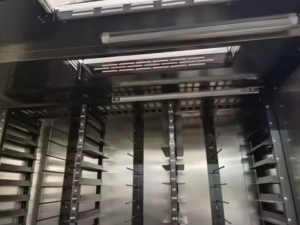
Are pizza vending machines food-safety compliant in the EU?
A pizza vending machine itself is not automatically “compliant” — compliance is a combination of the machine’s design (CE marking, food-contact materials, temperature control) and how the operator runs it (HACCP-based food safety management, hygiene registration, cleaning routine and allergen information). A well-designed machine makes this easier by holding temperature reliably, supporting remote monitoring and documenting its own conformity, but the operator remains the food business responsible for day-to-day compliance.
Four regulations every operator should know
The EU Food Law Framework for Vending
Pizza vending machines sell food, so they sit inside the same EU food law framework as any restaurant or food retailer — plus a machinery-safety layer because the equipment itself is unattended. Four pieces of legislation matter most.
| Regulation | What it covers | Why it matters for vending |
|---|---|---|
| General Food Law (EC) No 178/2002 | Sets the general principles of EU food law, including traceability and the duty to place only safe food on the market. | Establishes that whoever sells the pizza — the machine operator — is the responsible food business operator. |
| Hygiene of Foodstuffs (EC) No 852/2004 | Requires food businesses to identify hazards and control them through a HACCP-based system. | Applies directly to vending: storage, handling and cooking steps inside the machine all need documented controls. |
| Food Contact Materials (EC) No 1935/2004 | Requires materials that touch food — trays, storage compartments, packaging — not to transfer substances that endanger health. | Relevant to the machine’s internal components and any packaging the pizza is dispensed in. |
| Food Information to Consumers (EU) No 1169/2011 | Requires allergen and other mandatory food information to be available to the consumer before purchase. | Vending machines must make allergen information accessible at the point of sale — see the allergens section below. |
Six control points inside an automated machine
HACCP for an Unattended Pizza Vending Machine
HACCP (Hazard Analysis and Critical Control Points) is the food-safety management method required under EU hygiene law. For a vending machine, the same principle applies to every automated step, not just to a kitchen. The control points below are the ones operators most commonly need to document.
Delivery and goods-in
Ingredients or prepared pizzas are checked on arrival for correct temperature and condition before they’re loaded into the machine.
Storage temperature
Frozen and refrigerated storage is held within its set range and monitored, since a temperature excursion is the most common vending hazard.
Stock rotation
Operators track how long product has been loaded and remove anything past its use-by or manufacturer-recommended limit.
Cooking temperature and time
The programmed cooking cycle needs to reach a temperature and duration that make the pizza safe to eat, consistently, for every order.
Cleaning and sanitising
A documented cleaning schedule covers food-contact surfaces, storage compartments and the dispensing area on a fixed frequency.
Fault response
A written procedure for what happens if the machine reports a fault, a door is left open, or a temperature alert fires — including when to pull the machine from sale.
The single most-checked control point
Temperature Control and the Cold Chain
Temperature is where inspectors look first, because it’s the clearest, most measurable indicator of whether a food business is in control of its hazards. The “danger zone” for bacterial growth is widely defined as roughly 5°C to 60°C — food safety systems are built around keeping product out of that range for as long as possible.
| Stage | Typical reference range | Why it’s controlled |
|---|---|---|
| Frozen storage | -18°C | Standard frozen-food holding temperature; keeps product well below the danger zone until it’s selected. |
| Cooking cycle | Approximately 300°C–350°C oven temperature, several minutes cook time | Brings the pizza through the danger zone quickly and to a temperature that makes it safe and ready to eat. |
| Dispensing | Served promptly after cooking | Minimises the time a hot product spends at an ambient temperature before collection. |
A machine that can hold its storage temperature reliably, alert the operator if it drifts, and run a consistent, repeatable cooking cycle removes most of the manual work involved in temperature-based HACCP records. When comparing machines, ask the manufacturer directly how storage temperature is monitored and what happens — automatically — if it goes out of range.
The machine’s own paperwork
CE Marking and Machine Safety Compliance
Separate from food-hygiene law, the machine itself is a piece of commercial equipment and falls under EU machinery-safety rules. CE marking shows that the manufacturer has assessed the machine against the applicable safety requirements — electrical safety, mechanical guarding, and general risk assessment — and issued a Declaration of Conformity.
What CE marking confirms
That the manufacturer has checked the machine against the relevant EU safety requirements and takes responsibility for that conformity.
What buyers should ask for
A copy of the EU Declaration of Conformity and the technical file reference for the specific model and configuration being purchased.
What it doesn’t replace
CE marking is a machine-safety declaration, not a substitute for the operator’s own food-hygiene registration and HACCP system.
Information the customer must be able to see
Allergen Labelling at the Point of Sale
Under EU food information rules, the 14 recognised allergens (such as gluten, dairy, eggs, and nuts) have to be identifiable to the customer before they buy — including at an unattended vending machine, where there’s no staff member to ask.
Where connected features earn their keep
Remote Monitoring’s Role in Compliance
Remote monitoring isn’t a regulatory requirement on its own, but it’s one of the most practical tools an operator has for staying on top of HACCP records without visiting the site every few hours.
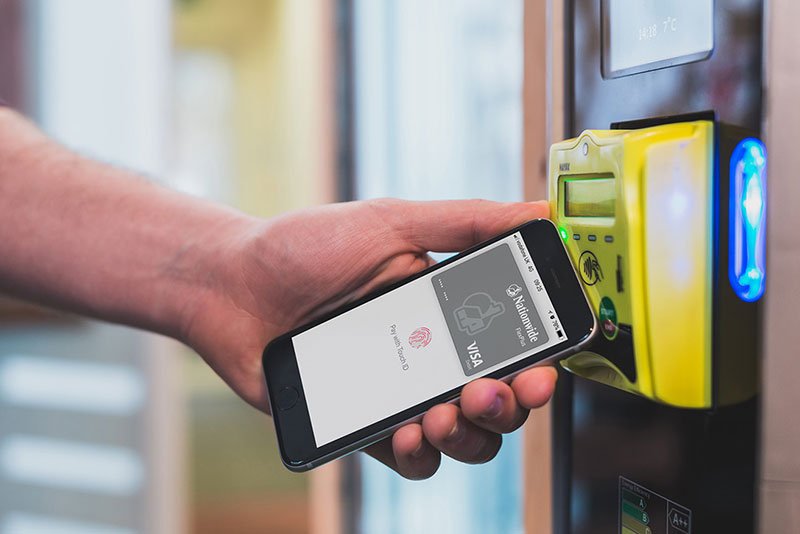
A machine with remote temperature alerts, fault reporting and stock visibility can flag a problem — a door left open, a storage unit drifting warm — before it becomes a food-safety incident, and gives the operator a timestamped record to show an inspector if asked. Ask any manufacturer you’re comparing exactly what their platform reports and how alerts reach the operator.
The routine behind the automation
Cleaning and Maintenance for Ongoing Hygiene
Automation doesn’t remove the need for a cleaning routine — it changes what that routine looks like. A realistic schedule usually covers three layers.
Daily
Touchscreen, exterior surfaces and any visible food-contact or dispensing areas.
Weekly
Storage compartments, trays and handling components accessible without disassembly.
Scheduled service
Deeper cleaning and inspection of the oven, seals and internal mechanisms, typically by a trained technician on a fixed interval.
Before you sign a quotation
EU Compliance Pizza Vending Machine Checklist
Use this short checklist to confirm the essentials with any manufacturer before you order.
Machine documentation
EU Declaration of Conformity, CE marking and the technical file reference for your exact model.
Temperature evidence
How storage and cooking temperatures are monitored, and what alerts fire if they drift.
Your own registration
Food business registration with your local authority, and a documented HACCP-based food safety plan.
Common questions from operators and buyers
Food Safety and Compliance FAQ
Answers below are general information. Confirm exact requirements with your local food safety authority before opening.
Do I need a food business registration to operate a pizza vending machine?
In most EU countries, yes — selling food through a vending machine typically makes you a food business operator, which usually means registering with the local food safety authority before you start trading. Requirements and the exact process vary by country.
Who is responsible for food safety: the manufacturer or the operator?
Both, for different things. The manufacturer is responsible for the machine’s own conformity (CE marking, food-contact materials). The operator is responsible for running it as a food business — HACCP records, cleaning, stock rotation and allergen information.
Does CE marking mean the machine is food-safety approved?
CE marking confirms machine and electrical safety conformity under EU machinery rules. It’s a separate requirement from food-hygiene compliance, which is the operator’s ongoing responsibility once the machine is installed.
What temperature should frozen pizza storage be kept at?
-18°C is the standard reference temperature for frozen food storage. The exact figure and monitoring method for your machine should be confirmed in its technical documentation.
Do I need to display allergen information on the machine itself?
EU rules require allergen information to be available to the customer before purchase. For an unattended machine, that generally means displaying it on the ordering screen or another clearly accessible point of sale.
How often should a pizza vending machine be inspected by a food safety authority?
Inspection frequency is set nationally and often depends on a risk rating for the business. Ask your local authority what frequency applies to your registration.
Can remote monitoring replace manual HACCP checks?
It can automate a large part of the record-keeping — particularly temperature and fault logging — but the operator still needs a documented food safety plan and to act on any alerts the system raises.
Primary regulatory references
Sources and Further Reading
These are the primary EU legal texts referenced in this guide. Always confirm current requirements and any national implementing rules with your own local food safety authority before relying on them commercially.
- EUR-Lex — Regulation (EC) No 178/2002, General Food Law General principles of EU food law, including food business responsibility and traceability.
- EUR-Lex — Regulation (EC) No 852/2004, Hygiene of Foodstuffs HACCP-based food safety management requirements for food businesses.
- EUR-Lex — Regulation (EC) No 1935/2004, Food Contact Materials Safety requirements for materials and articles intended to come into contact with food.
- EUR-Lex — Regulation (EU) No 1169/2011, Food Information to Consumers Allergen and mandatory food information requirements, including at the point of sale.
Compare Machines Built With Compliance in Mind
Storage temperature, cooking consistency, remote monitoring and CE documentation all differ by model. See how the Fresh and Frozen ranges compare before you request a quotation.