Equipment ownership and finance structure for commercial operators
Lease vs Buy Pizza Vending Machines: Which Option Fits Your Business?
Buying gives you ownership from day one but requires more capital upfront. Leasing or rental can reduce the initial cash requirement, yet creates a contract, recurring payments and possible restrictions on exit, relocation, maintenance or ownership at the end. The right choice depends on the actual agreement—not on the word “lease” alone.
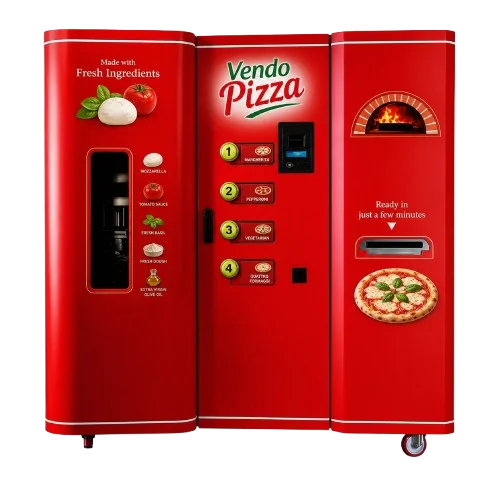
Is it better to lease or buy a pizza vending machine?
Buying is usually the simpler ownership structure when you have sufficient capital, expect to operate the machine for several years and want full control over relocation, resale and long-term use. Leasing can be useful when preserving cash is more important than immediate ownership, but you should compare the full contractual payments, end-of-term options, early-exit rules, maintenance obligations and any restrictions before deciding.
Do not use “finance” and “lease” as if they mean one thing
Buying, Leasing, Renting and Hire Purchase Are Different Structures
British Business Bank guidance treats asset finance as a broad category that can include finance leases, operating leases, contract hire and hire purchase. The legal ownership, accounting treatment and end-of-contract outcome can therefore differ substantially.
Buy outright
You pay the agreed purchase price and own the machine. There is no equipment lease contract after completion, although software, SIM, payment-processing and maintenance costs may continue separately.
Finance or operating lease
A finance company or lessor owns the asset while you make contractual payments for its use. End-of-term rights, maintenance and purchase options depend on the agreement.
Rental
Rental can be shorter and more flexible than a traditional equipment lease, but the provider normally retains ownership. Confirm minimum term, return costs and relocation conditions.
Hire purchase
Hire purchase normally spreads the cost over instalments with ownership transferring once contractual conditions and any final payment are completed. Exact legal and tax treatment varies by jurisdiction.
Business loan
A lender finances your business, but you purchase and own the machine subject to the finance/security terms. This is different from leasing the machine itself.
Revenue-share placement
A third party may place equipment in return for a share of sales or other commercial consideration. That is an operating partnership, not simply another name for a machine lease.
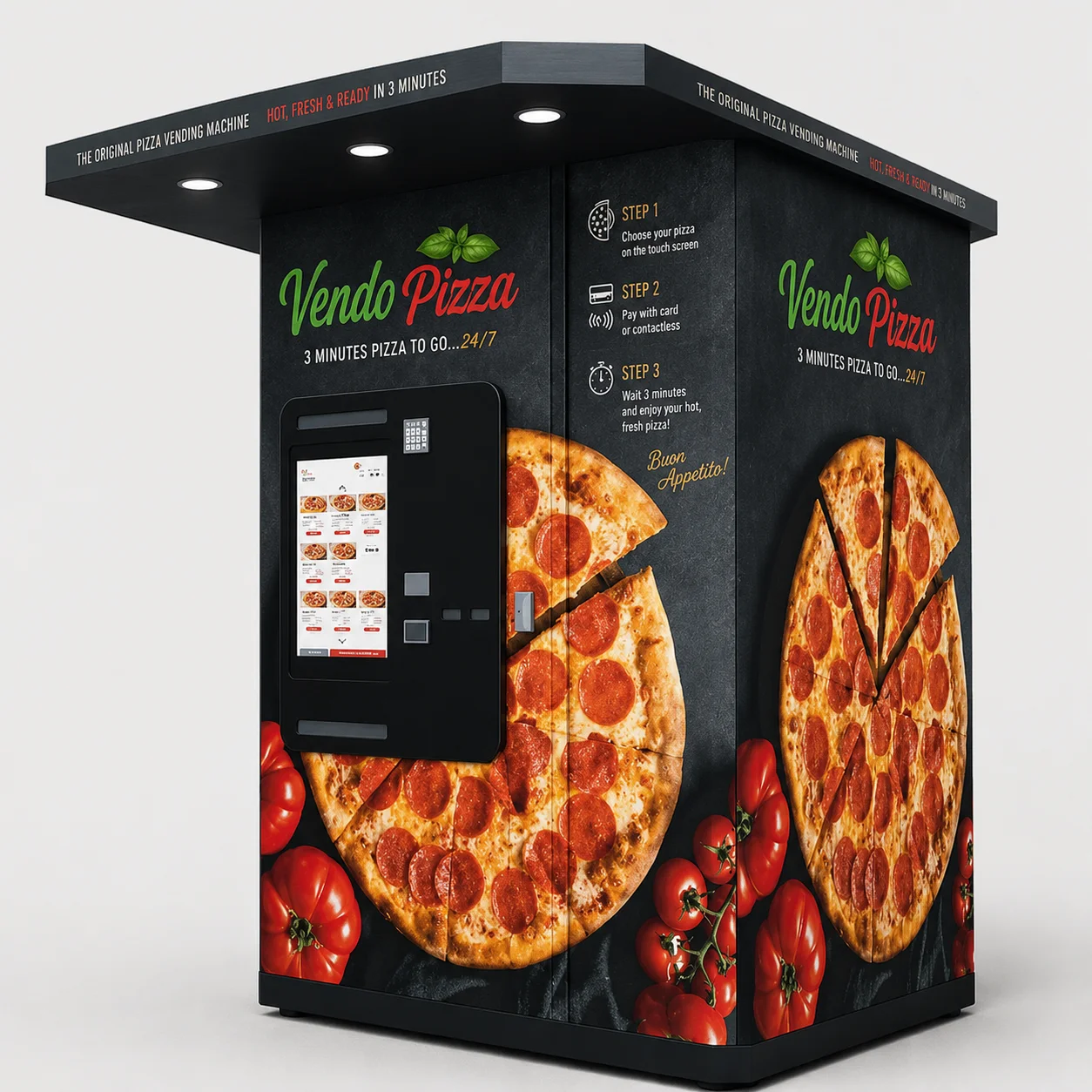
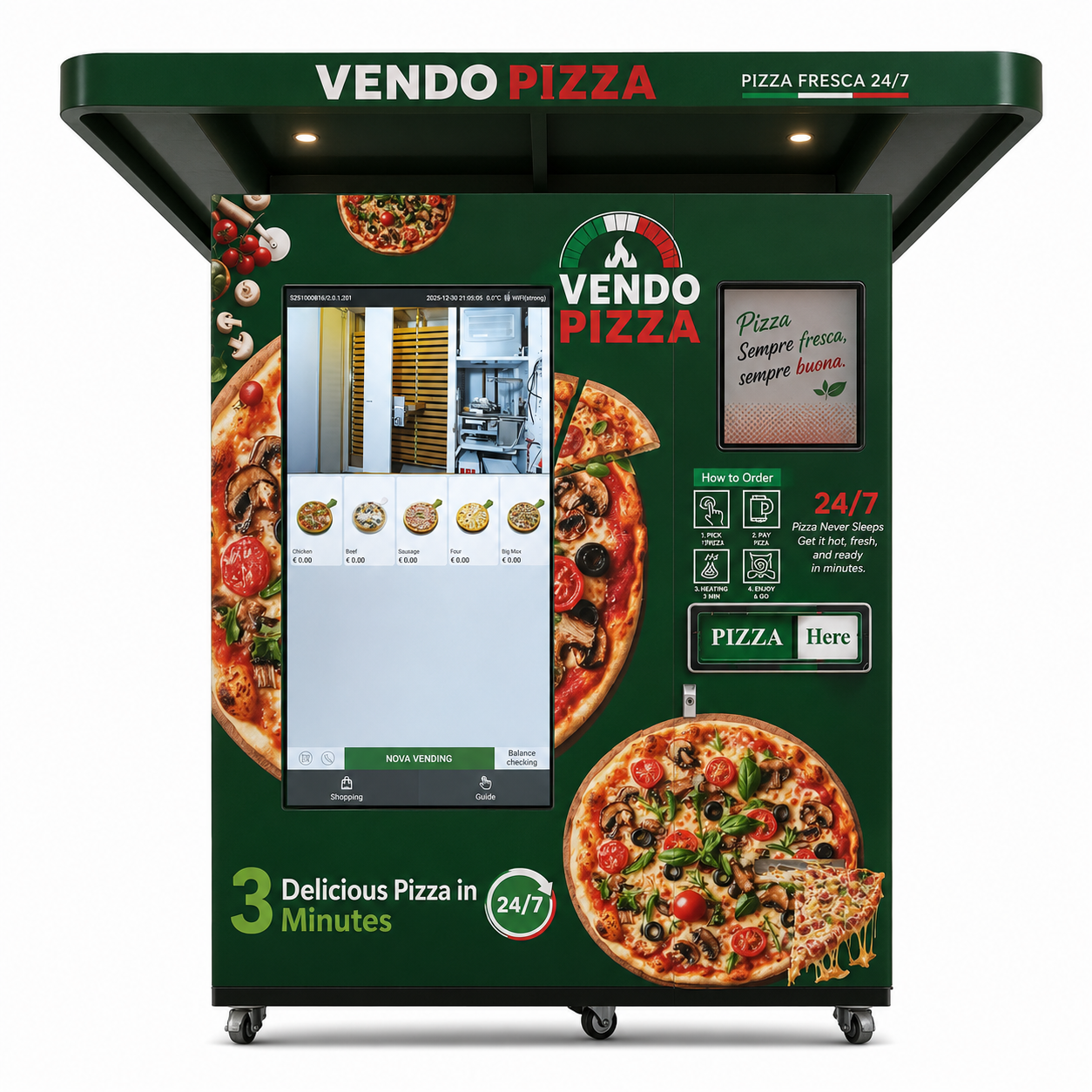
Quick comparison
Lease vs Buy Pizza Vending Machines: Side-by-Side Comparison
| Decision factor | Buy outright | Lease / asset finance | Rental |
|---|---|---|---|
| Initial cash requirement | Usually highest. | Usually lower than outright purchase; deposit may apply. | Often lower, but deposits/delivery charges may apply. |
| Ownership | Buyer owns the machine after completed purchase. | Depends on structure; lessor may retain ownership or title may transfer later. | Provider generally retains ownership. |
| Recurring equipment payment | None after purchase price is paid. | Yes, for the contractual term. | Yes, while rented. |
| Ability to exit | You can sell or redeploy the asset, subject to practical market conditions. | Early termination can be restricted or expensive. | Potentially more flexible, but depends entirely on minimum term and notice. |
| Maintenance | Owner is normally responsible unless covered by a separate support agreement. | May be buyer, lessor or shared responsibility. | May be included, but never assume this without reading the contract. |
| Modifications / branding | Usually under your control, subject to warranty and technical requirements. | May require consent. | Can be restricted. |
| Residual / resale value | Owner retains any resale value. | Depends on whether title transfers or a buyout option exists. | Normally none for the renter. |
| Best use case | Longer-term ownership with sufficient capital and a clear operating plan. | Preserving capital when contract economics and site confidence justify the commitment. | Shorter-term or genuinely reversible projects where a suitable rental market exists. |
Eight factors decide the answer
What Actually Determines Whether You Should Lease or Buy?
Available capital
Buying ties up more cash at the start. Leasing may preserve cash for inventory, site work, marketing or working capital, but creates future payment obligations.
Expected operating period
A machine intended for many years of use is different from one required for a temporary project. Match the contract length to the realistic life of the placement.
Confidence in the location
If the site has not been validated, a long non-cancellable lease can simply replace one risk with another. The machine payment still exists if the location performs poorly.
Total contract payments
Add deposit, monthly rentals, documentation charges, maintenance, insurance requirements, final payments, buyout and return costs before comparing with outright purchase.
Ownership and resale
If you buy, the machine remains an asset you can relocate or sell. Under a lease or rental, residual value may belong to the finance provider.
Maintenance responsibility
A lease is not automatically a service contract. Check who pays for parts, labour, technician travel, software, connectivity and accidental damage.
Technology change
Payment terminals and software can change faster than the cabinet. Flexible upgrade clauses may matter more than ownership if your operating model depends heavily on connected technology.
Expansion strategy
Preserving cash can matter when deploying multiple machines, but multiplying lease commitments across a fleet also increases fixed monthly obligations.
Compare the numbers supplied by a finance provider
Lease vs Buy Nominal Cost Worksheet
Enter the figures from an actual purchase quotation and a third-party lease proposal. This calculator compares nominal cash paid only; it deliberately does not calculate tax relief, present value, financing opportunity cost, inflation, resale value or accounting treatment.
Enter your own figures
Leave a field at zero if it does not apply. Do not use this as a substitute for a finance quotation or professional advice.
A positive difference means the entered lease payments exceed the entered purchase-side cash figure. This is not an APR, discounted-cash-flow or tax calculation.
Ownership can be the cleaner structure
When Buying a Pizza Vending Machine Makes More Sense
You expect long-term use
If you intend to operate the machine for years, ownership avoids an equipment rental payment continuing after the purchase would otherwise have been completed.
You have a proven location
A stable site, clear landlord agreement and known demand reduce the value of paying extra merely for the ability to reverse the equipment decision.
You want full asset control
Ownership can make relocation, resale and fleet reallocation simpler, subject to site agreements, warranty requirements and applicable law.
You want a simpler transaction
One purchase contract can be easier to understand than a purchase plus a separate multi-year equipment-finance agreement.
You can absorb maintenance risk
Established operators may prefer ownership when they already have service procedures, spare parts and cash reserves for repairs.
You expect residual value
If the machine remains useful and saleable later, the owner retains that residual value rather than returning the asset to a lessor.
Lower upfront cash can have strategic value
When Leasing a Pizza Vending Machine May Make Sense
Leasing is not automatically cheaper. Its strongest argument is normally cash-flow structure and access to equipment—not headline total cost.
Capital has a better use elsewhere
You may prefer to keep cash available for food production, site works, staff, stock, marketing or other revenue-generating assets.
The lease includes real service value
A higher monthly payment can be more reasonable if the contract genuinely includes maintenance, replacement cover or upgrades that you would otherwise buy separately.
You are scaling several units
Spreading acquisition payments may support a multi-machine rollout, provided the portfolio can comfortably carry fixed commitments during weaker months.
Ownership is not the objective
Some organisations care about access to equipment rather than owning vending assets. Contract structure may therefore matter more than residual value.
End-of-term upgrades matter
A well-designed lease can offer a route to newer equipment, but only if upgrade rights and replacement conditions are actually written into the agreement.
The provider is financially and technically credible
You are entering a multi-year relationship. Verify the finance company, supplier, maintenance provider and end-of-term process separately.
Rental is about flexibility, when a genuine rental exists
When Renting a Pizza Vending Machine May Be More Appropriate
Rental can be attractive for temporary projects or pilots because the provider retains ownership and the agreement may be shorter. Specialised pizza vending rental availability, however, varies substantially by country and machine type.
Short-term venue
Seasonal locations, temporary facilities and events can make permanent ownership less attractive if suitable rental equipment is available.
Location pilot
A genuinely short, cancellable rental can limit capital at risk while you validate traffic and customer demand. Do not confuse this with a three-year lease marketed as “rental”.
Service-inclusive requirement
Some organisations prefer a service model where maintenance and asset replacement sit with the provider. Confirm the actual response time and exclusions.
Different operators can reach different answers
Three Lease vs Buy Scenarios
First machine at an unproven location
A buyer has limited location data and is still validating the pizza product. The priority should be reducing irreversible commitments. A short rental could be useful if genuinely available; a long lease does not automatically solve the location risk.
Established pizzeria adding 24/7 sales
The business already produces pizza, controls the site and expects years of operation. Outright purchase may be more attractive because the machine becomes part of a known operating system and there is less need to pay for financial flexibility.
Operator planning a five-machine rollout
The operator has validated the concept but wants to preserve working capital. External asset finance may be worth comparing with phased purchases. The critical test is whether total fixed monthly obligations remain manageable across all five locations.
The contract can matter more than the monthly payment
12 Questions to Ask Before Signing a Pizza Vending Machine Lease
What is the exact total commitment?
Deposit + all scheduled rentals + mandatory fees + any final payment.
Who owns the machine?
During the term, at the end and after any optional buyout.
Can I terminate early?
Ask for the actual settlement formula, not just “early termination available”.
Can I relocate it?
Some finance or rental agreements restrict moving equipment without consent.
Who maintains it?
Separate routine cleaning, preventative maintenance, breakdown labour and replacement parts.
Who insures it?
Check required cover, loss, theft, accidental damage and business interruption obligations.
Are software costs included?
Payment processing, SIM, cloud services and telemetry may remain separate.
What happens at the end?
Return, continue renting, upgrade, purchase or automatic renewal?
What is the buyout amount?
If ownership is possible later, obtain the method or amount in writing.
What if the machine is unavailable?
Does downtime change rental obligations or trigger service commitments?
What happens if the site closes?
The finance contract may continue even when a landlord agreement or location ends.
Are personal guarantees required?
Understand security, guarantees and default consequences before signing.
Accounting and tax rules are jurisdiction-specific
Do Not Choose a Lease for “Tax Reasons” Without Professional Advice
Tax and accounting treatment depends on your country, business structure and the exact agreement. A sales representative should not be the final source for tax treatment.
IFRS reporting
IFRS 16 generally requires lessees to recognise a right-of-use asset and lease liability for leases longer than 12 months, subject to specified exemptions. Not every business reports under IFRS.
UK capital allowances example
GOV.UK guidance says capital allowances generally apply to plant and machinery that the business keeps to use, while ordinary leased assets are normally treated differently, with exceptions including hire purchase and some long-funding leases.
European variation
Tax relief, VAT timing, depreciation and lease accounting vary between countries. Ask an accountant or tax adviser to review the exact contract in your jurisdiction.
Keep acquisition structure separate from operating performance
Lease vs Buy Does Not Decide Whether the Machine Will Be Profitable
Financing changes when and how you pay for the equipment. It does not create customer demand. Location traffic, selling price, food cost, payment fees, rent, waste, electricity, maintenance, downtime and operating discipline still determine the economics of the project.
Common acquisition questions
Lease vs Buy Pizza Vending Machines FAQ
Can you lease a pizza vending machine?
Potentially, through an equipment-finance or leasing provider willing to finance the specific machine and buyer. Availability and terms vary by country, business credit, equipment value and supplier. Vendo Pizza itself currently sells by direct purchase rather than offering leasing.
Is leasing a pizza vending machine cheaper than buying?
Not necessarily. Leasing usually reduces the initial cash requirement but can increase total nominal payments. Compare the full contract, including deposit, monthly payments, fees, maintenance, insurance, final payment and any buyout.
What is the difference between leasing and renting a pizza vending machine?
A lease is normally a fixed equipment-finance contract, often over several years. Rental may be shorter and more flexible. However, providers use terminology differently, so the actual contract terms matter more than the label.
Can I own the pizza vending machine at the end of a lease?
Only if the agreement provides a path to ownership, such as a purchase option or hire-purchase structure. Some leases require the asset to be returned or rented further.
Does leasing include maintenance?
Not automatically. Maintenance may be included, charged separately or left entirely to the lessee. Confirm parts, labour, travel, preventative maintenance and response times in writing.
Should I lease a machine to test a new location?
A genuinely short and cancellable rental can reduce capital at risk for a pilot. A long lease with significant early-termination charges may not provide the flexibility you are seeking.
Is hire purchase the same as leasing?
No. Hire purchase normally provides a contractual route to ownership after required payments are completed, while a lease can leave ownership with the lessor. Exact legal definitions vary by jurisdiction.
What costs should I compare besides the monthly lease payment?
Compare deposit, contract fees, interest/finance cost, insurance, maintenance, software, connectivity, payment processing, final payment, buyout, return charges and early-termination cost.
Can a leased pizza vending machine be moved to another location?
Possibly, but the equipment agreement or insurance conditions may require consent. Always check relocation rights before signing.
Does Vendo Pizza offer machine financing?
Vendo Pizza currently offers direct machine purchase rather than in-house leasing or financing. Buyers wanting asset finance would need to arrange it independently with a third-party provider.
Should I include resale value when comparing lease vs buy?
Yes, if you can make a reasonable estimate. An owned machine may retain value at the end of the comparison period, while a rented machine normally does not create an owned asset. Avoid assuming an unrealistically high resale figure.
Which page should I use to compare machine prices?
Use the dedicated Vendo Pizza cost guide for current machine and project-cost planning. This article is intentionally focused on acquisition structure rather than ranking for “pizza vending machine price”.
Financial-structure references
Sources and Further Reading
These sources support the general leasing and asset-finance explanations. They are not a substitute for advice on a particular contract or jurisdiction.
- British Business Bank — What Is Asset Finance?Explains finance leases, operating leases, contract hire, hire purchase, benefits and risks of asset finance.
- British Business Bank — Leasing & Hire Purchase ChecklistQuestions on payments, minimum terms, fees, security and end-of-contract options.
- IFRS Foundation — IFRS 16 LeasesOfficial IFRS overview of lessee recognition of right-of-use assets and lease liabilities.
- GOV.UK — Capital Allowances: What You Can Claim OnUK-specific guidance for plant and machinery, including treatment of leased and hire-purchase assets.
Choose the Contract That Fits the Operating Plan — Not the Smallest Monthly Number
Decide how long you expect to use the machine, how confident you are in the location, how much capital you want to preserve and whether ownership matters. Then compare the complete third-party finance contract with the complete purchase quotation.