Business-model choice for pizza vending operators
Pizza Vending Franchise vs Independent Ownership: Which Model Fits You?
A franchise gives you the right to operate under somebody else’s brand and business system, normally in return for an initial fee and ongoing obligations. Independent ownership gives you more control over branding, suppliers, pricing and expansion, but you must build your own operating system and market position. For pizza vending, the machine can be similar while the business relationship around it is completely different.
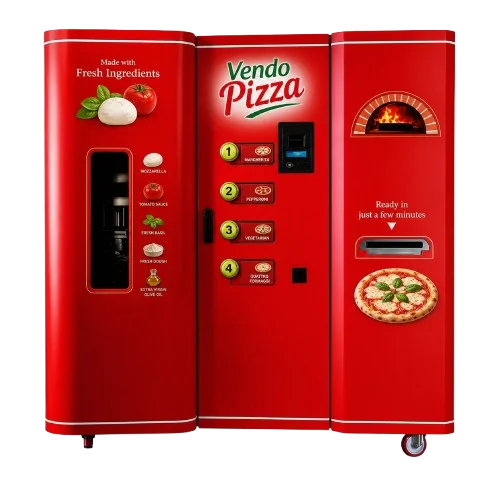
What is the difference between a pizza vending franchise and independent ownership?
In a franchise, the franchisee operates under the franchisor’s brand and business system and accepts contractual rules, fees and support arrangements. In an independent pizza vending business, the operator builds and controls the brand, chooses the machine and suppliers, sets its own operating standards and keeps responsibility for developing the business model. Neither structure guarantees stronger sales or profitability.
Start with the legal/commercial relationship
What Is a Pizza Vending Franchise?
The British Franchise Association describes franchising as a relationship in which a franchisor owns the brand and business system and a franchisee operates under that brand through a franchise agreement. GOV.UK’s intellectual-property guidance similarly explains that franchising can involve licensing trade marks, promotional materials, operating systems and confidential know-how in return for fees or royalties.
Brand rights
The franchisee receives permission to trade using the franchisor’s trade marks, visual identity and customer-facing brand subject to the agreement.
Business system
The franchisor normally supplies an operating model, training, manuals, procedures and ongoing support intended to keep the network consistent.
Contractual obligations
The franchisee accepts rules on areas such as suppliers, territory, quality, reporting, marketing, fees and how the business can be transferred or sold.
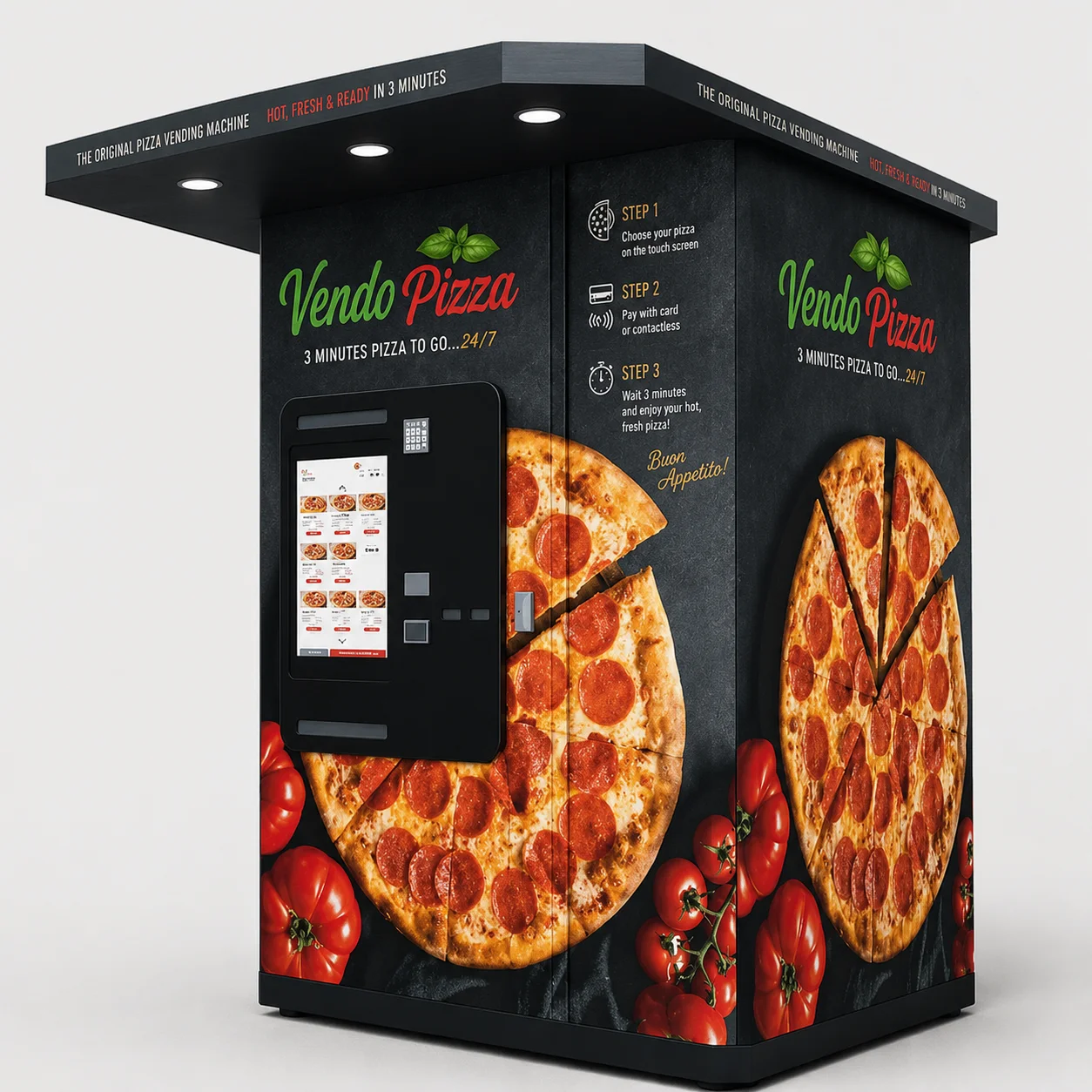
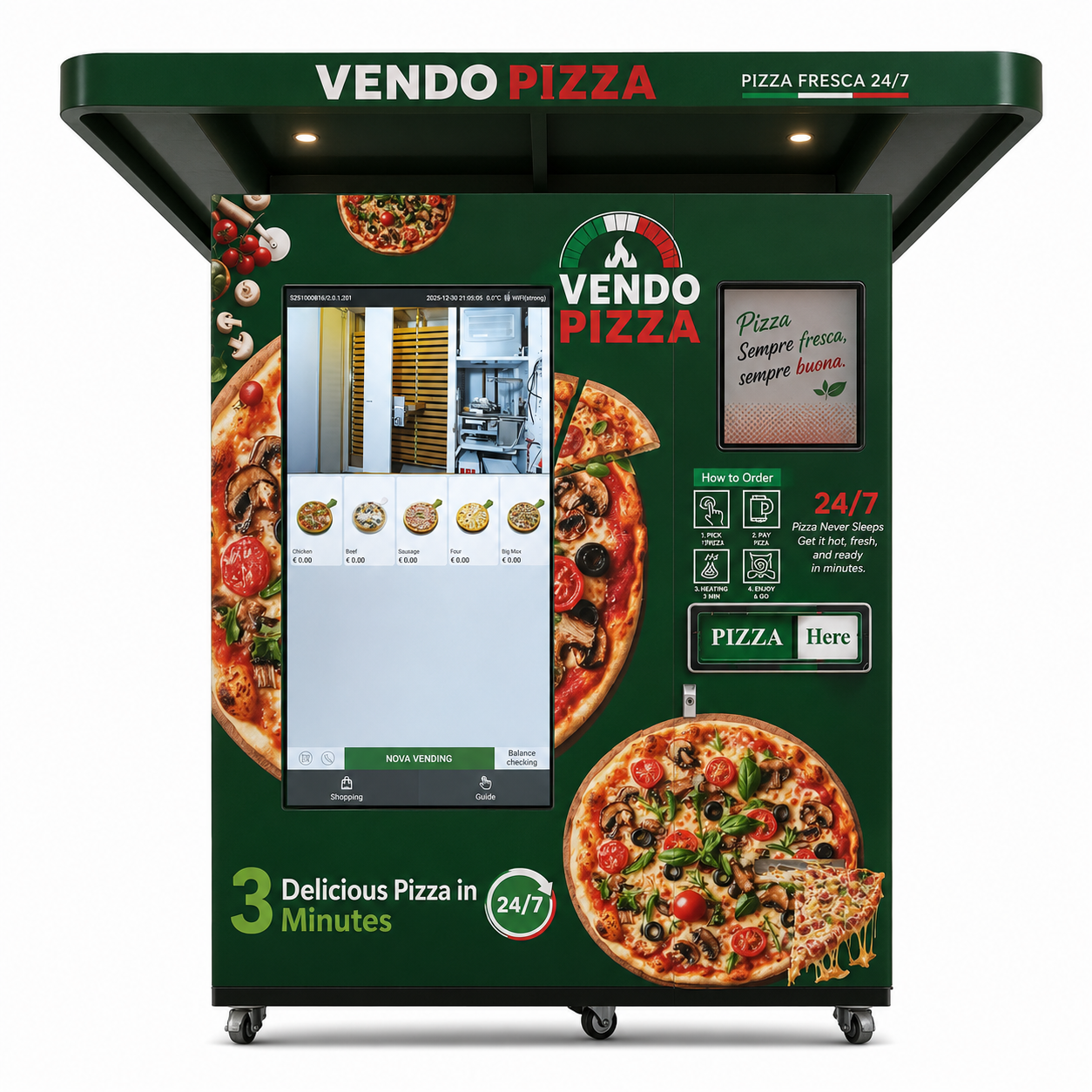
Several commercial models can look similar from the outside
Buying a Machine, Taking a Brand Licence and Joining a Franchise Are Not the Same Thing
You buy equipment
You purchase the machine from a supplier and build your own operating business. The supplier may provide warranty, training or software without controlling your entire business format.
You use selected IP or services
A licence may let you use a brand, software or product system without creating a full business-format franchise. The agreement determines the level of control.
You join an operating network
The franchisor supplies a brand and established business system, while the franchisee accepts broader contractual standards and continuing obligations.
Quick decision comparison
Pizza Vending Franchise vs Independent Ownership: Side by Side
| Decision area | Franchise | Independent ownership |
|---|---|---|
| Brand | Use the franchisor’s brand subject to agreement. | Create or acquire your own brand. |
| Business system | Operating model and procedures supplied by franchisor. | You design, test and document the operating model. |
| Initial franchise fee | Often exists; amount and inclusions vary by system. | No franchise entry fee, although machine, branding and setup costs remain. |
| Ongoing royalties / service fees | Can apply through percentage, fixed-fee or other structures. | No franchise royalty, but payment, software, support and supplier costs still apply. |
| Menu / recipes | May be prescribed or restricted. | Operator controls recipes subject to food-safety and machine compatibility. |
| Machine choice | May be specified by franchisor. | Operator can compare manufacturers and suppliers. |
| Food suppliers | Approved suppliers may be mandatory. | Operator can choose suppliers and production model. |
| Pricing | May be guided or constrained by network rules and applicable law. | Operator normally controls pricing. |
| Territory | Agreement may grant, define or limit territory and locations. | No franchisor territory, but landlord and commercial-location restrictions remain. |
| Marketing | Network brand assets and possible marketing levies/support. | Operator funds and controls local and brand marketing. |
| Training / support | Usually part of the franchise proposition. | Must be assembled through suppliers, staff, consultants and internal processes. |
| Exit / sale | Transfer may require franchisor approval and compliance with the agreement. | Owner generally has more freedom to sell the business/assets, subject to contracts. |
The fee structure changes the economics
Compare Every Franchise Fee — Not Just the Entry Price
Franchise fees vary widely. Do not assume a “low franchise fee” means a low-cost system. Some networks collect more value through ongoing fees, mandatory purchases, technology charges or marketing contributions.
Initial franchise fee
Usually paid to join the network and obtain the rights, training and setup package defined by the agreement.
Royalty or management service fee
May be a percentage of turnover, a fixed charge or another calculation method. Confirm whether it is based on gross sales, net sales or another measure.
Marketing contribution
Some networks charge a separate marketing levy. Ask what it funds and whether local marketing spend is additional.
Mandatory product purchases
Approved food, packaging, consumables or ingredients can carry costs beyond the stated royalty.
Technology fees
Software, telemetry, payment services, app access, support and reporting may be charged separately.
Renewal / transfer / exit charges
Check fees connected to renewing the agreement, selling the business, transferring ownership or leaving the network.
Control is the most important non-financial difference
Brand, Menu, Suppliers and Pricing: How Much Control Do You Want?
Franchise buyers are not only purchasing support; they are also accepting a system. Independent operators gain flexibility, but every additional decision becomes their responsibility.
Brand control
Franchisees trade under an established brand and must protect its standards. Independent owners create their own identity and build recognition from zero.
Food control
A franchise may prescribe recipes, approved suppliers and packaging. Independent operators can adapt the menu but must validate every product for the machine and food-safety system.
Pricing control
Independent owners generally have more discretion over selling prices. Franchise systems may provide pricing frameworks or commercial rules subject to the applicable law and agreement.
Machine control
A franchise can require one approved machine or technology stack. Independent owners can compare Fresh, Frozen, payment and capacity options.
Technology control
Franchise software may be mandatory. Independent operators can choose systems, but they also carry the integration and support burden.
Expansion control
A franchise agreement may define territory and approval for additional units. Independent owners can expand where suitable commercial sites and resources are available.
A franchise should provide more than a logo
What Support Should a Pizza Vending Franchise Actually Provide?
Franchising makes sense only if the system gives you useful know-how, standards and support in exchange for the restrictions and fees. Ask for evidence of the actual operating package.
Site-selection method
Traffic criteria, landlord approach, location approval and practical site assessment rather than a promise that “any high-traffic site works”.
Food-production system
Recipes, supplier standards, storage, replenishment, shelf-life management, cooking validation and allergen/food-information processes.
Machine operations
Training on loading, cleaning, alarms, payment issues, remote monitoring, ordinary maintenance and service escalation.
Marketing system
Brand assets, launch materials, digital presence and guidance on local marketing without unsupported revenue promises.
Performance reporting
Clear KPIs, benchmarking and operating reports that help the franchisee manage the business rather than simply report sales to the franchisor.
Ongoing network support
Named support channels, updates, training, supplier management and a process for resolving technical or operational problems.
Territory can be valuable — or restrictive
Check Territory, Location Approval and Competition Rules
A pizza vending franchise can define where you are allowed to operate and whether the franchisor can appoint other franchisees, supply national accounts or operate directly in the same area.
Exclusive territory
If exclusivity is promised, define the geography, duration, performance conditions and exceptions rather than relying on the word “exclusive”.
Location approval
Understand whether the franchisor can reject a site and what evidence is required for approval.
National accounts / online sales
Ask whether hospitals, universities, fuel networks, transport operators or other national contracts are carved out of the franchise territory.
Think about the end before you sign the beginning
Exit, Renewal and Resale Can Be Easier for an Independent Owner
Independent ownership does not mean you can ignore contracts with landlords, finance companies or software providers. It does mean there is no franchisor controlling the brand licence after your own supplier obligations are satisfied.
Franchise transfer
The agreement may require approval of the incoming buyer, training, transfer fees and settlement of outstanding obligations.
Renewal
Confirm whether renewal is automatic, optional, conditional or subject to new fees, refurbishment or updated operating standards.
Post-termination restrictions
Ask a qualified adviser to review restrictions on brand use, customer data, territory, competing activities and disposal of branded equipment after termination.
A practical choice framework
12 Questions to Decide Between a Pizza Vending Franchise and Independent Ownership
Do you want to build your own brand?
If brand ownership is central to the project, independent operation normally aligns better.
How much operating experience do you have?
Less-experienced operators may value a strong system more, provided the franchise genuinely supplies one.
Is the franchise brand valuable in your market?
Do not pay brand fees merely for a name that has little customer recognition in the territory.
What is the complete fee burden?
Add entry fees, royalties, technology fees, marketing levies and mandatory supplier economics.
How much menu freedom do you need?
Local recipes and changing suppliers can be easier independently than under an approved product system.
Do you want to choose the machine?
Franchises may specify hardware. Independent operators can compare manufacturers and models directly.
How valuable is the territory?
A protected area can matter if it is clearly defined and commercially useful.
What support is actually included?
List training, site selection, food systems, marketing, payment setup, maintenance and operational support.
Can the agreement adapt?
Pizza vending technology, payments and consumer preferences change. Check who controls upgrades.
How easy is it to exit?
Compare transfer approvals, fees, non-compete terms and what happens to the machine and brand assets.
Can you build the operating system yourself?
Independent ownership saves franchise fees only if you can replace the value of training, systems and support.
Does either option fit your actual location?
A strong brand or complete independence cannot rescue a poor site. Validate the location separately.
Resolve these before paying a franchise fee
Pizza Vending Franchise Red Flags
Revenue promises replace evidence
Projected sales are presented as typical or guaranteed without transparent assumptions, locations or operator cost structure.
The “franchise” is only a machine sale
There is little meaningful system, training, brand value or continuing support beyond selling the equipment.
Fees are hard to total
Royalty, technology, food, marketing and renewal charges are spread across several documents or explained only verbally.
Territory is vague
“Exclusive city” or “protected area” is promised without a precise map, exceptions or performance conditions.
Mandatory suppliers are unexplained
You are required to buy food, packaging or services but cannot assess prices, alternatives or supply continuity.
Exit terms receive little attention
The sales process focuses on joining while transfer, renewal, termination and resale restrictions remain unclear.
What independent ownership really means
Independent Does Not Mean Unsupported
An independent pizza vending business can still use specialist suppliers for machines, payment terminals, software, maintenance, branding, food production, logistics and consultancy. The difference is that you choose and coordinate those relationships instead of operating under one franchisor’s business system.
Machine supplier
Provides equipment, technical information, commissioning support, warranty and parts according to the commercial agreement.
Food producer
Your own kitchen, pizzeria, contract manufacturer or food lab can provide the pizza if it fits the machine and food-safety plan.
Payment / telemetry provider
Provides merchant, connectivity and management services without necessarily controlling the wider business model.
Common business-model questions
Pizza Vending Franchise vs Independent Ownership FAQ
Is Vendo Pizza a franchise?
No. Vendo Pizza supplies commercial pizza vending machines for direct purchase. Buyers are not required to operate under the Vendo Pizza brand or pay Vendo Pizza franchise royalties.
Can I start an independent pizza vending business?
Yes. Independent operators can purchase equipment, create their own brand, arrange food production, choose payment systems and secure locations. They also carry responsibility for building the operating system and complying with applicable business and food requirements.
What do you normally pay in a franchise?
Franchise arrangements often include an initial fee and continuing charges such as royalties or management service fees. Some also include marketing, technology, supply or renewal charges. The exact structure varies by agreement.
Does a franchise include the pizza vending machine?
It depends on the offer. The machine may be included in the initial investment, purchased separately, leased or supplied under another arrangement. Obtain a complete breakdown of what the franchise fee and equipment price cover.
Is a white-label pizza vending programme a franchise?
Not necessarily. White-label arrangements can involve equipment, software or branding without the full characteristics of a business-format franchise. Review the actual rights, controls, fees and obligations in the agreement.
Which gives more control: franchise or independent ownership?
Independent ownership generally gives more freedom over brand, machine, suppliers, recipes and expansion. A franchise exchanges some of that freedom for an established system, support and brand rights.
Which option is cheaper?
There is no universal answer. Independent ownership avoids franchise royalties but requires you to create systems, marketing and support. A franchise adds fees but may provide resources you would otherwise need to build or buy separately.
Does franchising reduce business risk?
A mature franchise may reduce some execution uncertainty by supplying systems, brand recognition and support, but it does not eliminate location, demand, cost, equipment or operator risk. Review evidence rather than relying on general success claims.
Can a franchise tell me which pizza vending machine to use?
Yes, a franchise agreement or operations manual can specify approved equipment and suppliers. Independent operators are free to compare machines subject to their own technical and compliance requirements.
Can a franchise restrict my food supplier?
It can require approved suppliers or product standards if the agreement provides for them. Understand the commercial impact, alternatives and supply-continuity arrangements before signing.
Can I sell a pizza vending franchise business?
Often yes, but transfer usually depends on the franchise agreement and may require franchisor approval, fees, buyer qualification and training. Ask a qualified adviser to review the exit provisions.
Which page should I use if I want to start independently?
Use the Vendo Pizza Start a Pizza Vending Business guide for the practical launch process. This page intentionally owns the franchise-vs-independent decision rather than the broader startup keyword.
Franchising references
Sources and Further Reading
Franchise law and disclosure requirements vary by country. These sources support the general business-format concepts in this guide; obtain legal advice for a specific franchise agreement.
- British Franchise Association — What Is Franchising?Franchisor/franchisee relationship, brand, business system, training, support and fees.
- HMRC — Franchising: GeneralGeneral description of business-system franchises and common initial/continuing fee structures.
- UK Intellectual Property Office — IP BasicsExplains how franchising can involve licensing trade marks, promotional materials, business systems and other IP.
- European Franchise Federation — European Code of Ethics for FranchisingIndustry self-regulatory principles covering fairness, transparency and loyalty in franchise relationships.
- business.gov.uk — Expanding Through FranchisingOverview of franchisor brand/process rights, franchisee fees and continuing support.
Choose a Business System Deliberately — Do Not Let the Machine Decide for You
A franchise can be valuable when the brand, operating system, territory and support justify the fees and restrictions. Independent ownership can be stronger when you want control and have the capability to build your own operating system. Evaluate those questions separately from the pizza vending machine itself.